Hybrid mattresses combine an innerspring support core with cushioning comfort layers, bringing together responsive support and pressure-relieving softness. Their construction can suit people seeking a balance between the buoyancy of coils and the contouring feel of foam or other materials. Firmness, layer composition, and motion response vary by model.
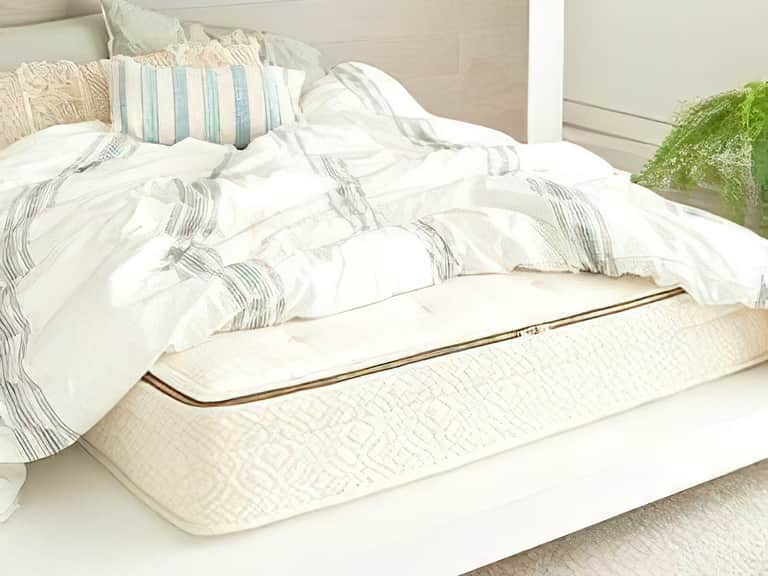
The Naturepedic Azure Hybrid Organic Mattress is an example of an organic mattress that pairs a coil-based support system with comfort materials. Its hybrid design is intended to provide supportive alignment and a cushioned sleep surface. Material certifications and construction details help explain how the mattress relates to preferences for organic bedding.
Coils can promote airflow through a mattress and provide a responsive feel, while upper layers help cushion areas such as the shoulders and hips. These characteristics may be relevant for side, back, or combination sleepers, although comfort depends on body shape and personal preference. Mattress height and edge support also affect everyday usability.
When evaluating hybrid mattresses, consider firmness, motion transfer, temperature regulation, material composition, and compatibility with the intended bed frame. Some adjustable beds accommodate flexible mattress designs, but compatibility should be confirmed for the specific model. Coordinating bedding, including fitted sheets and pillows, can also influence fit and overall sleep comfort.
Organic mattresses may use certified materials and manufacturing practices, but the meaning of organic claims depends on the certifications and components identified by the maker. Comparing those details with support needs and sleeping habits helps clarify a mattress’s purpose. A hybrid structure offers a distinct option among mattress types for people weighing cushioning against coil support.
 Mattresses