In this guide, we extend beyond marketing claims to illuminate what makes a mattress truly organic. The term “organic” carries weight not only in the fibers and foams used but in how the product is manufactured, tested, and certified. The goal is clarity: to understand materials, traceability, and the environmental and health implications of choosing a mattress that aligns with a sleep-focused lifestyle.
At its core, an organic mattress should reflect a holistic commitment to comfort without compromising ecological integrity. The best options blend natural materials—such as organic cottons, natural latex, wool, or responsibly sourced innersprings—with certifications that verify farming practices, processing methods, and safety standards. In practice, this means looking for credible seals, transparent sourcing stories, and durable construction designed for long-term use.
Key Material Families and What They Mean for Sleep
Across the market, three material families often anchor organic mattresses: natural latex, organic cottons and wolls, and responsibly sourced steel or other support cores. Each brings its own benefits to comfort, temperature regulation, and durability.
- Natural latex: Known for buoyant support and zoning potential, latex offers responsive pressure relief while maintaining airflow. When sourced from responsible latex producers, it can deliver a durable foundation with a natural tilt away from chemical additives.
- Organic cotton and wool: Organic cottons in the cover and comfort layers contribute to softness and breathability. Wool fibers help regulate temperature and wick moisture, enhancing a cooler, drier sleep environment for many people.
- Natural or hybrid cores: Some organic mattresses combine latex with a zoned support core or a steel innerspring that is certified for responsible production. The aim is to combine cradle-to-grave sustainability with enduring support across sleep positions.
Certifications That Matter
Certifications are the closest thing to a verified map of a mattress’s origins, materials, and safety assurances. When evaluating organic options, consider these common signals of credibility:
- Global Organic Textile Standard (GOTS): Applies to textiles and ensures organic fiber content, ecological processing, and social responsibility in the supply chain.
- OEKO-TEX Standard 100: Focuses on the absence of harmful substances at the test level suitable for direct contact with skin.
- Global Recycled Standard (GRS) or Global Organic Latex Standard (GOLS): GOLS certifies organic latex production; GRS covers recycled materials in the product.
- CertiPUR-US (where relevant): A certification for foam content in some blends, though not always applicable to all-organic builds; it signals low emissions and absence of certain chemicals.
Brand-Focused Comparisons: A Practical Survey
In our review, three brands stand out for their long-standing commitments to organic materials, transparent sourcing, and credible certifications. We present an evidence-informed snapshot that emphasizes comfort, durability, and health considerations, without pressuring readers toward a purchase. The goal is to empower informed decisions aligned with your sleep needs and values.
Vispring: Natural Latex and Wool Construction
Vispring has a storied history of using natural materials and meticulous craftsmanship. In the organic category, their approach centers on natural latex and wool layers, with an emphasis on breathable comfort and durable construction that ages gracefully. When evaluating, look for latex that is certified and wool that is sourced with transparency about farming practices and processing.
Notes: Expect premium pricing alongside a legacy of hand-built techniques and enduring support.
Sleep and Beyond: Wool- and Natural Fiber-Focused Comfort
Sleep and Beyond emphasizes wool-filled or all-natural layers, prioritizing temperature regulation and hypoallergenic properties. Their materials are often paired with responsibly sourced fillings and natural fabrics for the outer layers, offering a sleep environment oriented toward year-round comfort.
Notes: Wool’s moisture management can be especially beneficial for sleepers who experience night sweats or warm nights.
The Clean Bedroom: Down- and Natural-Fiber Layers
The Clean Bedroom represents a blend of natural fills and cotton covers, with emphasis on down or alternative fills that balance loft with stability. In organic configuration, attention to cover fabrics and fill power is critical to maintaining comfort over years of use.
Notes: Down-based products require careful sourcing and ethical considerations regarding animal welfare.
Concrete, Sustainable Core: Hybrid and Natural Foam Alternatives
Hybrid constructions integrate natural fibers with certified foams or support cores where appropriate. The emphasis remains on minimizing chemical load while preserving comfort and alignment across sleeping positions.
Notes: Certainty about the foam components is essential; prioritize brands that disclose material sources and testing data.
Three Time-Period Figures: Perspectives on Comfort, Craft, and Sleep
To illuminate the enduring human relationship with sleep and the environments we inhabit, we invoke voices from three distinct eras—each contributing a distinct lens on material choice, craft, and the science of rest.
Ancient Anthropologist: Sleep as Habitat
From early human settlements, sleep was inseparable from shelter and climate. An anthropologist might emphasize the way natural substrates and room temperature shaped rest patterns. In today’s terms, this translates to a bedroom environment that maintains stable temperature and air quality to evoke a primitive sense of safety and calm.
Industrial-Era Builder: Craft and Materiality
The industrial era introduced precision, mass production, and durable materials. A craftsman’s ethos—honest materials, careful joining, and longevity—echoes in modern organic mattresses where solid cores, natural fibers, and hand-finished covers meet contemporary standards of safety and comfort.
Contemporary Sleep Scientist: Evidence and Environment
Today, sleep science links room conditions—light, temperature, acoustics, and air quality—with sleep stages and health outcomes. The present article aligns with that perspective, advocating for organic materials and transparent certifications as a pathway to healthier sleep environments.
A Practical Shopping Checklist (Organic Mattress Edition)
For readers ready to evaluate options, here is a concise, non-commercial checklist that supports thoughtful decision-making about organic mattresses without pressuring toward any particular brand.
- Material authenticity: Confirm organic or natural content for covers, comfort layers, and cores. Look for certifications like GOTS, GOLS, or OEKO-TEX.
- Source transparency: Seek brands that disclose where materials originate and the farming or extraction practices involved.
- Durability indicators: Examine loft retention, edge support, and the resilience of the cover and stitching over time.
- Allergen considerations: If sensitivity is a concern, prioritize wool and natural latex choices with clear allergen statements.
- Care requirements: Review washing instructions and maintenance to maintain performance and hygiene.
A Note on Design and Sleep Health
Beyond the mattress itself, the surrounding sleep environment matters. A calm, uncluttered bedroom supports relaxation and clearer circadian cues. The integration of organic mattresses with an overall sleep-friendly room—adequate blackout, quiet acoustics, and gentle lighting—contributes to a holistic approach to health and well-being.
Conclusion: An Informed Path to Restful, Sustainable Sleep
The search for an organic mattress is, at its best, a voyage toward a healthier sleep environment with a foundation that honors both people and planet. By focusing on credible materials, transparent certifications, and thoughtful design, readers can select a mattress that supports long-term comfort, reduces allergen exposure, and aligns with values of sustainability and well-being. The brands highlighted here—Vispring, Sleep and Beyond, and The Clean Bedroom—illustrate a spectrum of approaches within the organic category, each with its own strengths. Yet the ultimate measure remains the quiet, restorative night that follows a well-chosen bed and a thoughtfully curated sleep space.
Selected Product Spotlight
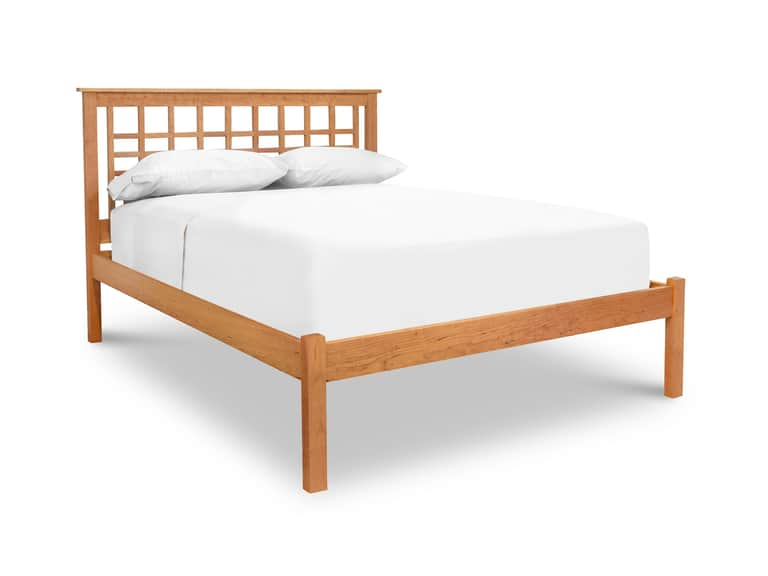
Modern Craftsman Low Footboard Bed
Handcrafted to order in Vermont from solid Cherry, Maple, or Walnut with an eco-friendly oil finish. A durable, contemporary centerpiece for a calm bedroom.
$3,331.00
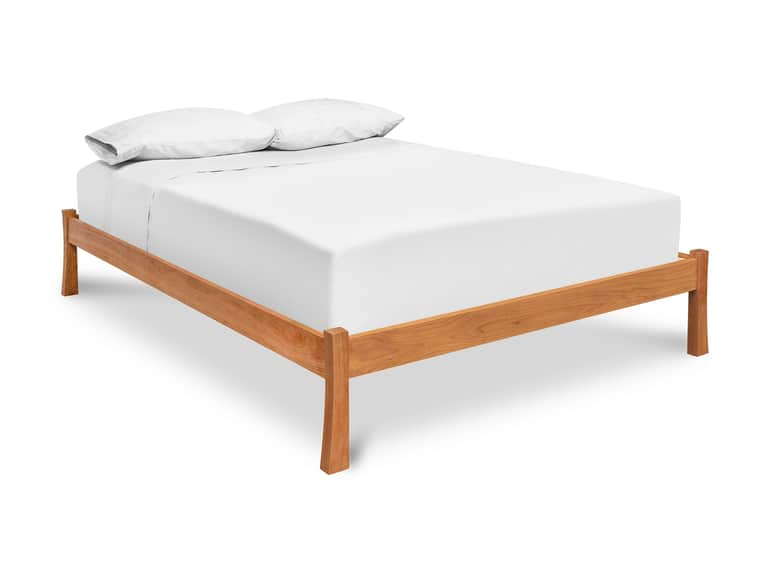
Contemporary Craftsman Studio-Style Platform Bed
Arts and Crafts-inspired studio-style platform bed, solid sustainably sourced hardwoods, eco-friendly oil finish.
$1,454.00